
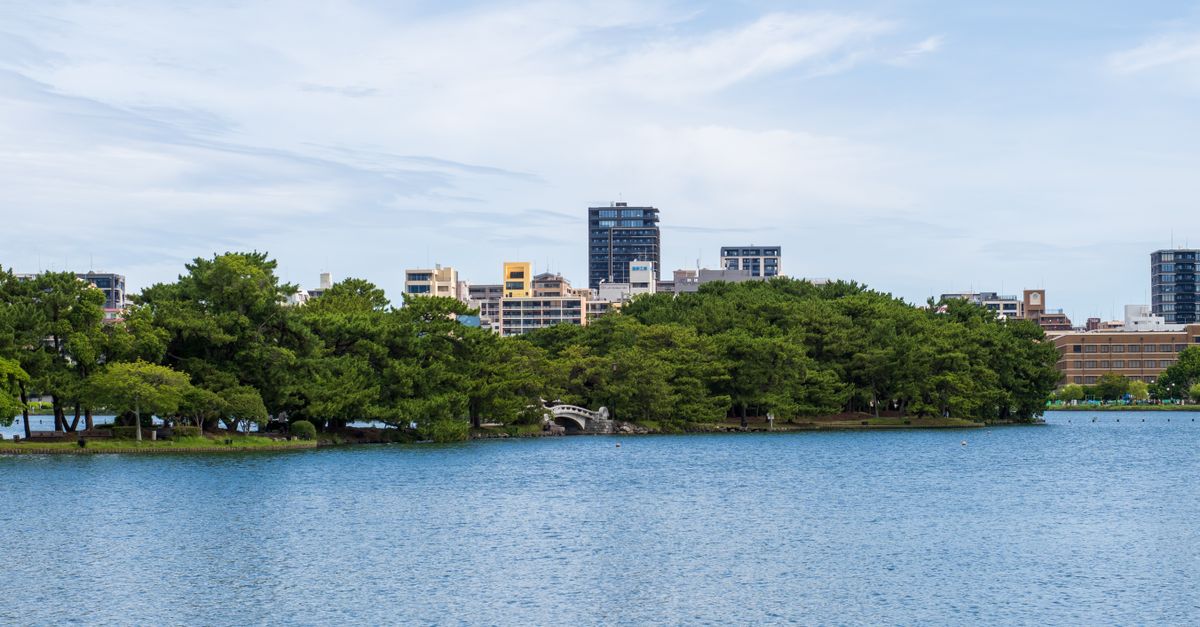
Destination
Fukuoka
🕐 Local time
Fukuoka is a dynamic port city on Kyushu, the closest to the Asian continent. Known for vibrant yatai street stalls, proximity to Korea, and affordable prices. A small but cosy gay scene is concentrated in the Naka district.
The LGBTQ+ scene in Fukuoka
Fukuoka’s queer scene is small and close-knit. You will not find a Ni-chome here; instead, the bars sit in the upper floors and side streets of Sumiyoshi, Hakata and Tenjin. Regulars skip the Tokyo attitude and like a new face. G-Gull is the classic first stop, where the bartender passes local snacks around and patrons chat across the counter. Root draws a younger crowd with good cocktails and smart design. Bar 7 is one of the karaoke bars where much of the socialising happens, so pick a song.
Evenings here begin at the yatai, the wooden food stalls that roll out along the river in Nakasu and Tenjin after sunset. Each seats eight to ten people, and within minutes you will be clinking glasses with your neighbours over Hakata tonkotsu ramen. From there, the bars are a short walk or taxi ride away.
Safety and local norms
We rate Fukuoka high for safety. Street crime is low, local politics lean progressive, and the city hall has led much of Japan’s push for queer rights, including some of the first partnership certificates. People in the south talk to strangers more readily than in Tokyo.
Public affection is still uncommon for couples of any orientation in daytime Japan, so keep it low-key on the street and save it for the bars. Nakasu is also an adult entertainment district, and touts work its main streets at night; ignore them and stick to venues you have chosen. Public onsen are gender-segregated and often ban tattoos. If you head to Kyushu’s hot-spring towns, book a private bath (kashikiri). Read how we rate safety.
Pride and events
Fukuoka’s queer events are small and announced through the bars and local community groups, so ask at G-Gull or Root what is coming up. The big national dates are Tokyo Rainbow Pride, usually in spring or early summer, and Osaka Rainbow Festa, usually in October. Both are an easy flight or bullet-train ride away. Check the official sites for dates.
Where to stay and getting around
Hakata and Nakasu suit most travellers: you are close to the station, the canal-side yatai and the bars in Sumiyoshi. Tenjin, a few subway stops away, is the shopping district and has its own row of stalls. Couples who want calm can look near Ohori Park, with its lake and the ruins of Fukuoka Castle.
Fukuoka has one of the most convenient airports in Japan, about ten minutes from Hakata Station by subway. The subway and buses cover the centre. Hakata Station is also where the Yufuin no Mori express leaves for the hot-spring town of Yufuin; reserve seats well ahead. Ferries cross from Fukuoka to Busan in South Korea. Spring and autumn bring the best weather.
Read next
Plan your time with 24 hours in queer Fukuoka and our Yufuin day trip from Fukuoka. Crossing the strait? Read 24 hours in Busan, and check laws and visas in the Japan country guide.
Our guides
Best time to visit
March — May, September — November
Highlights
- 1 Yatai — night street stalls
- 2 Gay scene in the Naka district
- 3 Ferry to Busan (Korea)
- 4 Fukuoka Castle and park
Hotels in Fukuoka
Search via Agoda
Tours & activities in Fukuoka
Via GetYourGuide
We earn a commission on bookings made through our links. This does not affect our recommendations.
FAQ
Where are the gay bars in Fukuoka?
Fukuoka's small queer scene is spread between Hakata, Sumiyoshi and Tenjin, with the main cluster in Sumiyoshi. G-Gull, Root and the karaoke spot Bar 7 are good places to start.
Is Fukuoka LGBTQ+ friendly?
Yes. Fukuoka was one of the first major Japanese cities to issue partnership certificates to same-sex couples, and its mayor openly supports the community. We rate it high for safety.
Where should I stay in Fukuoka?
Hakata and Nakasu put you near the main station, the yatai stalls and the bars. The airport is about ten minutes from Hakata Station by subway.