
Destination
Tokyo
🕐 Local time
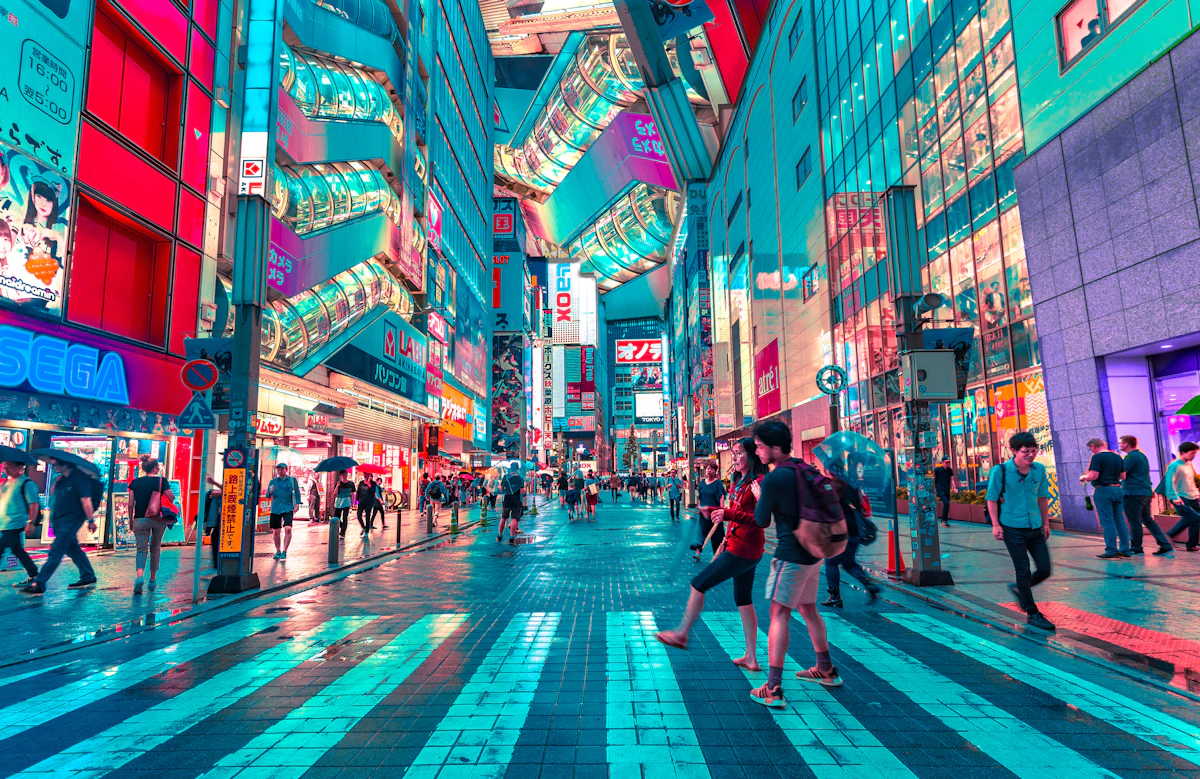
Tokyo is one of the most captivating cities in the world, where tradition meets the future. Shinjuku Ni-chome counts hundreds of LGBTQ+ venues across a few streets — the world's greatest concentration of gay bars.
The LGBTQ+ scene in Tokyo
Tokyo’s queer life is concentrated in Shinjuku Ni-chome, a grid of narrow streets east of Shinjuku Station packed with more than 300 bars. Most hold six to ten people and have a theme or a type: bears, older men, karaoke, lesbians, anime fans. You hop between them the way you would between rooms at a house party. Dragon Men is loud and dance-heavy, Eagle Tokyo has a loft look and makes a good first stop, and AiiRO Cafe spills onto the street, where people drink a beer before the night gets going.
Daytime Ni-chome looks like any quiet office block. The district wakes up after dark, peaks after midnight on Fridays and Saturdays, and some bars run until the first morning train. Gay apps such as Grindr and 9monsters are widely used for meeting people and finding venues.
Safety and local norms
We rate Tokyo high for safety. Street crime is rare, and violence against queer visitors is very uncommon. Japan runs on reading the air, though. Couples of any orientation rarely kiss or hold hands on the subway or on daytime streets, so match that restraint outside Ni-chome. Inside the bars, the rules relax.
A Japanese Only sign on a bar door usually means the bartender cannot serve you in English; move on to the next place. In nightlife districts, ignore street touts and avoid bars that call you in from the pavement, where overcharging happens. Public onsen are split by gender, require full nudity and often ban tattoos, which can be awkward for trans and non-binary guests. Book a private bath instead. Read how we rate safety.
Pride and events
Tokyo Rainbow Pride is the city’s main event, usually held in spring or early summer, with a parade through Shibuya and a festival weekend in Yoyogi Park. Ni-chome bars throw parties around it, and the neighbourhood fills with visitors from across Asia. Cherry blossom season in early April makes spring a busy time to visit. Check the official site for dates.
Where to stay and getting around
Trains stop around midnight, and taxis cost a lot for short hops, so if you plan to stay late in Ni-chome, book a hotel in Shinjuku within walking distance. Shibuya and Yoyogi work for travellers who want design hotels and shopping, a short ride from the bars. Harajuku and the Meiji Shrine forest sit between them.
Load a contactless transport card on your phone and use it on the subway, JR lines and buses. The Odakyu Romancecar leaves from Shinjuku for Hakone, where you can rent a private onsen and see Mount Fuji on clear days. Spring and autumn bring the most comfortable weather.
Read next
Plan your first day with 24 hours in queer Tokyo, then take the train to the mountains with our Hakone day trip. Heading west? Read 24 hours in Osaka, and for laws and visas see the Japan country guide.
Our guides
Best time to visit
March — May, September — November
Highlights
- 1 Shinjuku Ni-chome — world's largest gay district
- 2 Tokyo Rainbow Pride (April — May)
- 3 Akihabara and pop culture
- 4 Mount Fuji one hour away
Hotels in Tokyo
Search via Agoda
Tours & activities in Tokyo
Via GetYourGuide
We earn a commission on bookings made through our links. This does not affect our recommendations.
FAQ
Where is the gay district in Tokyo?
Shinjuku Ni-chome, a few blocks east of Shinjuku Station, holds more than 300 gay and lesbian bars, the highest concentration anywhere in the world. Most open in the evening and stay busy past midnight.
Can foreigners go to bars in Ni-chome?
Yes. Some tiny bars post a Japanese Only sign, which usually means the staff do not speak English. Start at foreigner-friendly places such as Eagle Tokyo, Dragon Men or AiiRO Cafe.
Is Tokyo safe for LGBTQ+ travellers?
We rate Tokyo high for safety. Street crime and violence against queer visitors are rare, but public displays of affection are uncommon for any couple, so keep them for the bars.
When is Tokyo Rainbow Pride?
Tokyo Rainbow Pride usually runs in spring or early summer, with a parade through Shibuya and a festival in Yoyogi Park. Check the official site for the current dates.