
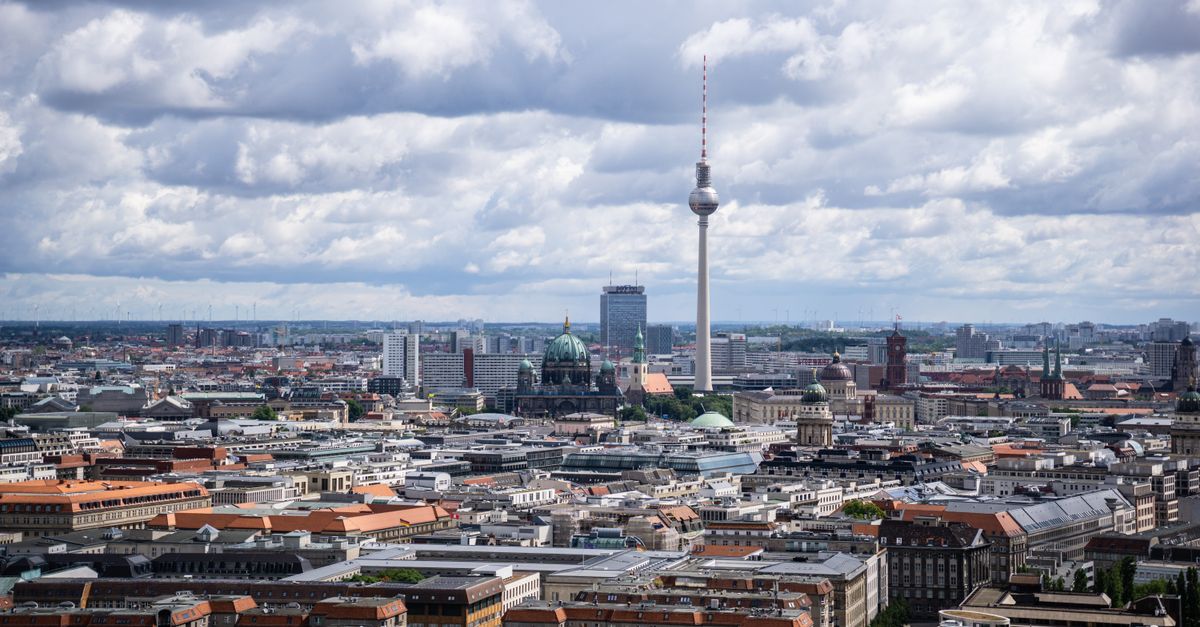
Destination
Berlin
🕐 Local time
Berlin is the world capital of queer nightlife and a city where personal freedom knows no limits. From Weimar-era cabaret to Berghain and the historic Schöneberg gay village, a century of queer history has been written here. Christopher Street Day and Folsom Europe turn the city into the epicentre of LGBTQ+ Europe.
The LGBTQ+ scene in Berlin
Berlin’s queer scene splits into two worlds. Schöneberg, the Regenbogenkiez around Nollendorfplatz, is the historic gay village where Christopher Isherwood lived at Nollendorfstraße 17 and wrote the stories behind Cabaret. By day you’ll find terraces along Maaßenstraße and Motzstraße, fetish shops beside bakeries, and century-old bars beside third-wave coffee. In the evening, start at talkative classics such as Tom’s Bar or Hafen on Motzstraße, then follow the crowd to the bars of Fuggerstraße a few blocks away. Saunas and fetish shops sit within the same small grid, so you can cover the village on foot.
East and south, in Friedrichshain, Kreuzberg and Neukölln, the younger scene revolves around clubs and roaming party series. Berghain and Panorama Bar anchor the techno side, KitKatClub runs themed, dress-coded nights, and series such as GEGEN, PORNCEPTUAL and SchwuZ move between venues. Check the line-ups for your dates before you plan the weekend.
History fills the daytime. The memorial to homosexuals persecuted under Nazism stands in Tiergarten, opposite the Holocaust Memorial, and the Schwules Museum on Lützowstraße runs rotating exhibitions on queer history. Look for the memorial plaque at Nollendorfplatz U-Bahn station too.
Safety and local norms
We rate Berlin high. Holding hands in Schöneberg, Kreuzberg or Mitte rarely draws attention. Late at night, take ordinary big-city care, especially on quiet U-Bahn platforms and in outer districts. In clubs, respect the no-photo rules. At Berghain the door staff turn many people away without giving a reason, so stay relaxed in the queue and keep a backup plan. Keep your phone and wallet close in crowded clubs and on packed trains during the big festivals. Read how we rate safety.
Pride and events
Christopher Street Day (CSD Berlin) usually takes place in late July and draws hundreds of thousands of people through the centre. Folsom Europe follows in September, and Easter brings a leather-and-fetish week. All three fill Schöneberg’s hotels four to six months ahead, so check the official site for dates before booking. If you want the same scene with easier rooms, aim for May or June, when the terraces are full and prices calmer.
Where to stay and getting around
Sleep in Schöneberg for the village experience: gay-owned hotels sit above bars on streets they’ve shared for decades. Couples who want quieter nights can stay in Charlottenburg-Wilmersdorf, about 15 minutes by U-Bahn from Nollendorfplatz. If your trip revolves around club nights, stay in Friedrichshain or Kreuzberg instead, where apartments and design hotels outnumber gay hotels.
The U-Bahn, S-Bahn and trams cover the whole city, and distances are large, so plan your evening by district rather than zigzagging. Outside the three peak weeks, Berlin has plenty of rooms at fair prices. The best months run from May to September, and Cologne makes an easy second city by train.
Read next
Our 24 hours in queer Berlin itinerary walks you through a full day, and the Berlin gay hotels guide compares bases. For the Rhineland, try 24 hours in queer Cologne; the Germany country guide covers laws and the wider picture.
Our guides
Best time to visit
May — September
Highlights
- 1 Schöneberg (Nollendorfplatz) — historic gay village
- 2 Berghain and KitKat — legendary clubs
- 3 Schwules Museum — queer history museum
- 4 CSD and Folsom Europe
Hotels in Berlin
Search via Booking.com
Tours & activities in Berlin
Via GetYourGuide
We earn a commission on bookings made through our links. This does not affect our recommendations.
FAQ
Where is Berlin's gay village?
Schöneberg, around Nollendorfplatz, Motzstraße and Fuggerstraße, has been the gay village since the early 20th century. Kreuzberg, Neukölln and Friedrichshain hold the alternative scene, the big clubs and the roaming party series.
When are CSD Berlin and Folsom Europe?
CSD Berlin usually takes place in late July and Folsom Europe in September. Book accommodation four to six months ahead for either, and check the official sites for dates.
How do I get into Berghain?
Go late, after 1am or on Sunday afternoon, dress simply in black, arrive without a big group and never film inside. Rejection happens to everyone, so keep KitKatClub or a party series as Plan B.
Is SchwuZ still open?
SchwuZ closed its Neukölln venue at the end of 2025 and now runs as a party series at changing locations. Check its programme before your trip.